Tool features
What changes between construction stone grades
The stone calculator keeps clean stone, #57-type material, dense-graded blends, and custom supplier products separate before converting a measured course into weight and cost.
Construction intent filter
Grade labels, density notes, and related tools keep the result focused on physical crushed stone and rock.
Multiple stone-course shapes
Total pads, beds, circles, rings, and surveyed areas while assigning one selected grade to the calculation.
Grade-aware bulk weight
Keep open, general crushed, dense-graded, and large clean stone on separate planning densities.
Fines and voids stay visible
Choose compaction treatment for the product instead of applying one hidden ton-per-yard constant.
Package and yard comparison
Convert the same course into whole bags, cubic yards, tonnes, or short tons for the local seller.
Quoted stone cost only
Use the named grade’s price, minimum, delivery, and increment without including unrelated installation work.
What changes the result
Stone volume becomes weight only after grading is known
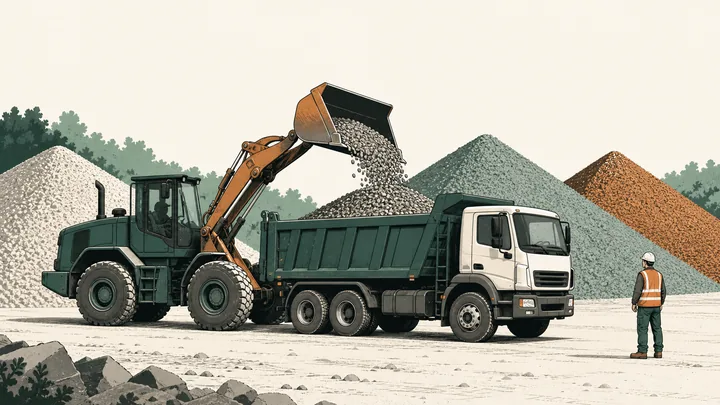
Crushed stone, crushed rock, and crushed gravel can describe closely related construction materials, while clean stone and dense-graded stone contain different void structures and fines. That changes bulk weight for the same volume.
The stone calculator measures geometry first. Grade, editable bulk density, compaction, extra material, packaging, cost, and supplier rounding are then applied as separate visible steps.
Use the stone calculator with the product description from the quote; a generic rock name cannot reveal the fines, void structure, moisture, or loose bulk density behind the tonnage.
Clean stone versus dense-graded stone
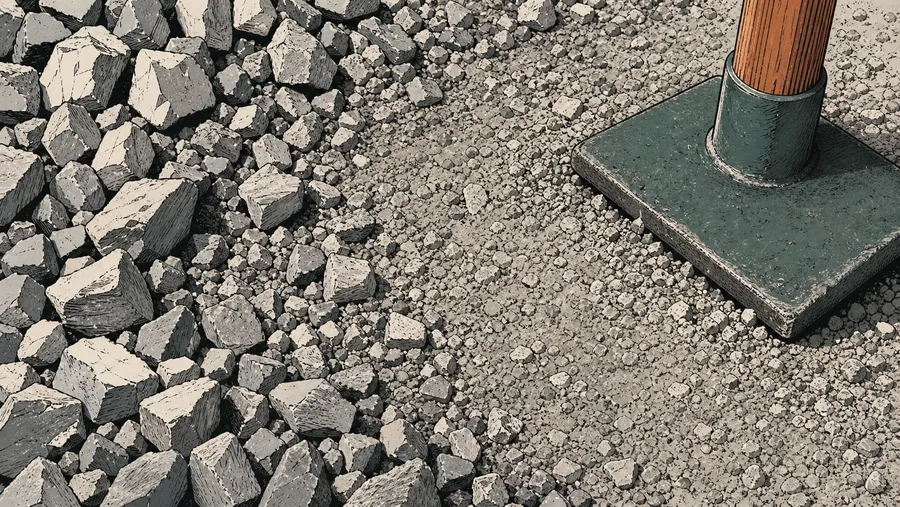
Clean stone generally retains more void space. Dense-graded blends use smaller particles and fines to fill voids and may compact differently. Select the product by supplier description.
Why this is not a rock-sizing tool
The calculator estimates material quantity. It does not select drainage gradation, riprap sizing, pavement structure, or a stone suitable for a specific engineering use.
Reference data
Crushed stone density and coverage reference
The grading and fines content matter more than the generic word “stone.” Use a product-specific value for final ordering.
Planning bulk-density ranges
short tons per cubic yard
Bulk-density ranges are not particle specific gravity. Moisture, compaction, and stockpile condition can alter delivered yield.
Construction stone estimate
visible from input to purchase
Check the named grading, measured course, compaction behavior, supplier bulk density, and sellable increment before ordering stone.
Why it matters
“One yard of stone” is not one fixed weight
Particle distribution
Clean and dense-graded products contain different void volumes.
Bulk density
Use the supplier’s loose product value for a defensible conversion.
Order increment
Turn the exact result into a quantity the yard can actually sell.
The stone calculator reports exact volume and weight before extra material, then shows the final rounded purchase separately.
Where it fits
Construction-stone calculations with clear boundaries
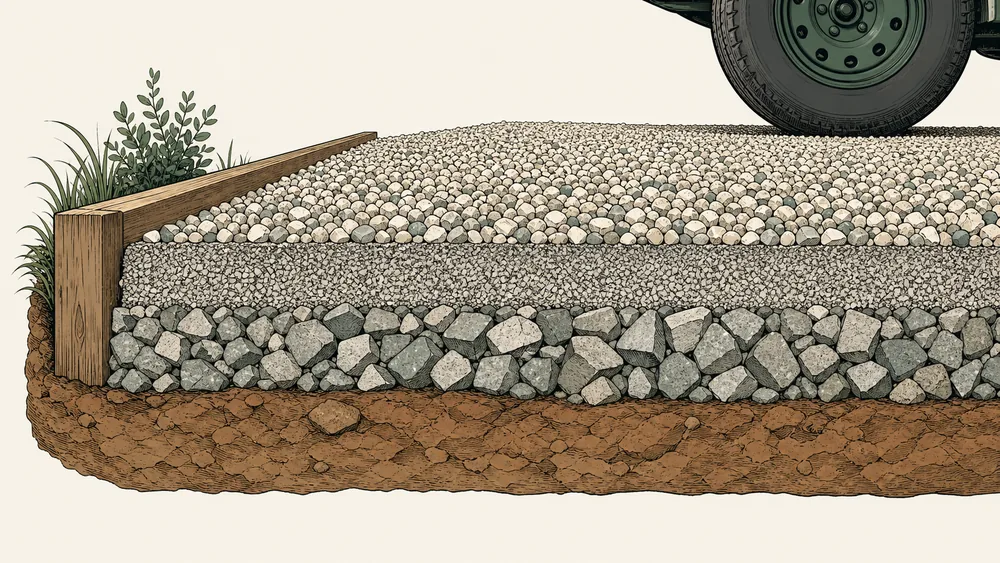
Choose a dedicated calculator when the project geometry—such as a trench, slope, or layered driveway—needs more than a generic area formula.
Crushed stone base
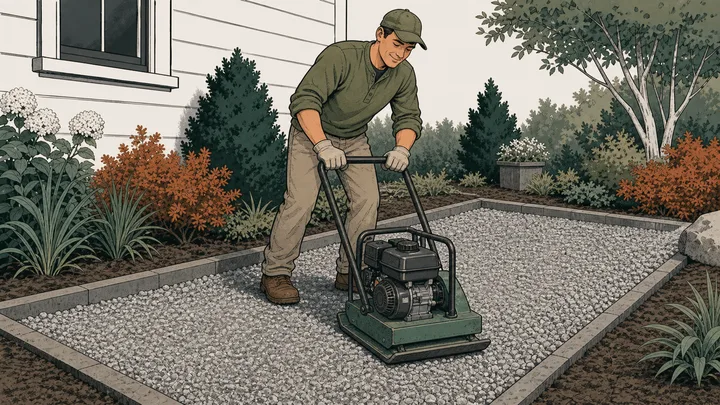
Estimate one stone course with a selected grade, depth, and compaction factor.
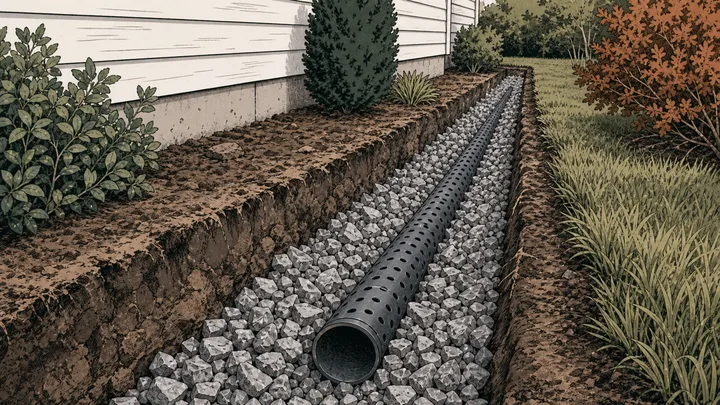
Clean drainage stone
Use an open-graded density, then confirm gradation and filter compatibility.
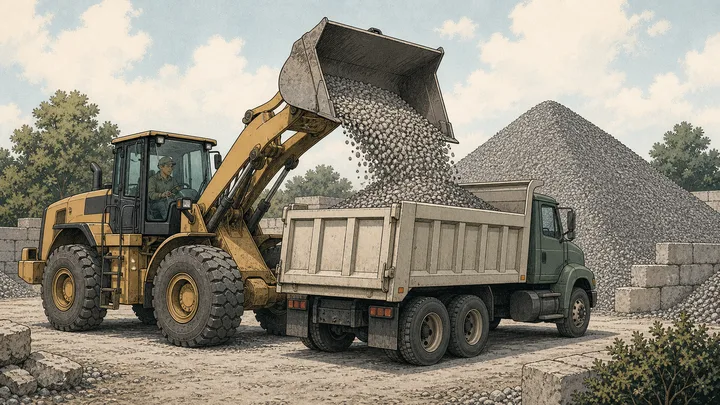
Bulk material order
Convert between yards and tons while preserving the quoted density.
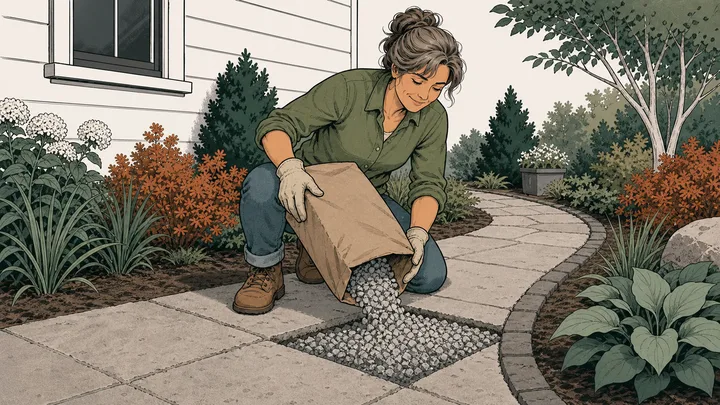
Bagged crushed stone
Round the calculated weight to whole packages and compare local cost.
Method
From crushed-stone geometry to a supplier-ready amount
The stone calculator measures the footprint and course depth, preserves the selected grading, and applies compaction, density, extra material, bags, and rounding as visible stages.
Measure the selected stone course
Add every footprint section that receives the same crushed-stone grade and finished depth.
Choose grading and density
Identify clean, #57-type, general crushed, dense, or custom stone and replace its loose weight when possible.
Convert and round the order
Apply product-appropriate compaction, extra material, packaging, pricing, and supplier increment after geometry.
Live worked example — waiting on your inputs
Run the numbers and the stone calculator will show exact volume and weight before displaying the buffered amount, whole packages, cost inputs, and rounded order.
FAQ
Stone calculator questions about crushed grades and weight
The stone calculator FAQ covers tons per yard, clean versus dense material, multiple shapes, #57 selection, bags, and what the calculator cannot specify.
How much crushed stone do I need?
Measure the footprint, enter the finished stone depth, and select the closest grade. The stone calculator converts installed volume to loose volume and weight, adds your allowance, and rounds to supplier tons, yards, or bags.
How many tons of stone are in a cubic yard?
There is no universal answer. The planning presets range because grading, voids, moisture, and rock type change bulk density. One cubic yard at 1.40 short tons per yard weighs 1.40 short tons, but use supplier data.
Is crushed stone the same as crushed rock?
Those terms often share construction intent and are grouped on this page, but a specific product still needs a grading and density. Specialized products such as crusher run, limestone, and riprap have dedicated calculators.
Can the stone calculator combine several shapes?
Yes. Add rectangles, circles, rings, triangles, trapezoids, or known-area sections. They share the selected stone grade and depth, so calculate unlike courses separately.
Does selecting #57 guarantee the right drainage stone?
No. The label routes the estimate to a planning density only. Confirm gradation, source, cleanliness, filter compatibility, and project suitability with the specification or supplier.
Calculation references and review
The stone calculator uses standard volume geometry, NIST conversion factors, and editable aggregate bulk density. ASTM C29/C29M supports bulk-density measurement; the displayed ranges do not replace a supplier test or quarry ticket.
- ASTM C29/C29M-23 — bulk density and voids in aggregate
- ASTM C127 — relative density and absorption of coarse aggregate
- NIST SP 811 Appendix B.9 — conversion factors by quantity
Reviewed by the gravelcalculator.app editorial team on . Review scope: unique project logic, geometry, unit factors, bulk-density language, purchasing assumptions, interface labels, and calculation boundaries.